The Science of Fermentation
Yogurt, kimchi, sourdough, kombucha — they are all the same trick. Here is how fermentation works and why it is good for you.
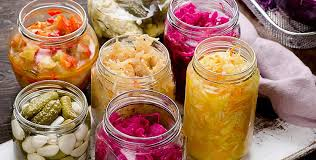
Put most simply, it's when bacteria and yeasts, microscopic organisms, consume the sugars and carbs inside food, and turn them into acids, gases and alcohol. Sounds weird, right? That's how we get:
- cheese
- yogurt
- bread
- pickles
- soy sauce
- miso
- kimchi
- sauerkraut
- beer
- kombucha
The bacteria that go into making yogurt eat the sugar called lactose and turn it into lactic acid. That's what makes yogurt taste "sour," as well as thick, and is also what kills off the pathogens. So, in other words, fermentation was the original way to preserve food.
Why do people say it's good for you?
Fermented foods often are loaded with "probiotics," live bacteria that may improve your health, by helping you digest, boost your immune system and even improve your mood, according to health experts. In a 2021 study, the Stanford Medicine journal found that people who consumed a more fermented-foods diet over 10 weeks had more variety and diversity of gut bacteria and a reduction of markers of inflammation in their blood.
The fermentation process can also make it easier for the human body to extract vitamins and nutrients from the food. When you ferment grain, such as with sourdough, you lower the amount of phytates, compounds that prevent your body from absorbing minerals. So your body can actually get more iron and zinc out of your sourdough than a loaf of regular bread.
But be careful, not every fermented product is all it's explained to be. Most fermented foods on shelves have actually been pasteurized, heated up enough to kill anything alive, after the fermentation process has completed. You'll generally find the words "live cultures" on the package. And while fermented foods may be good for your body, they also can be loaded with sodium, especially sauerkraut and pickles, so they aren't something you need to be consuming large amounts of every day.